
Agentic Commerce Readiness for AI Buyers
AI shopping agents are already researching and buying for shoppers. This guide explains agentic commerce readiness, the November 2026 platform changes, and the seven-step checklist that prepares a store for AI buyers.
Key Takeaways
- A ready store lets agents find, understand, and buy products without human help.
- Clean structured product data is the foundation, because agents read data feeds before they read design.
- November 2026 brought agent payment tools from OpenAI, AWS, Mastercard, and Coinbase into mainstream use.
- Stores should publish clear policies, test agent checkout paths, and watch how agents describe their products.
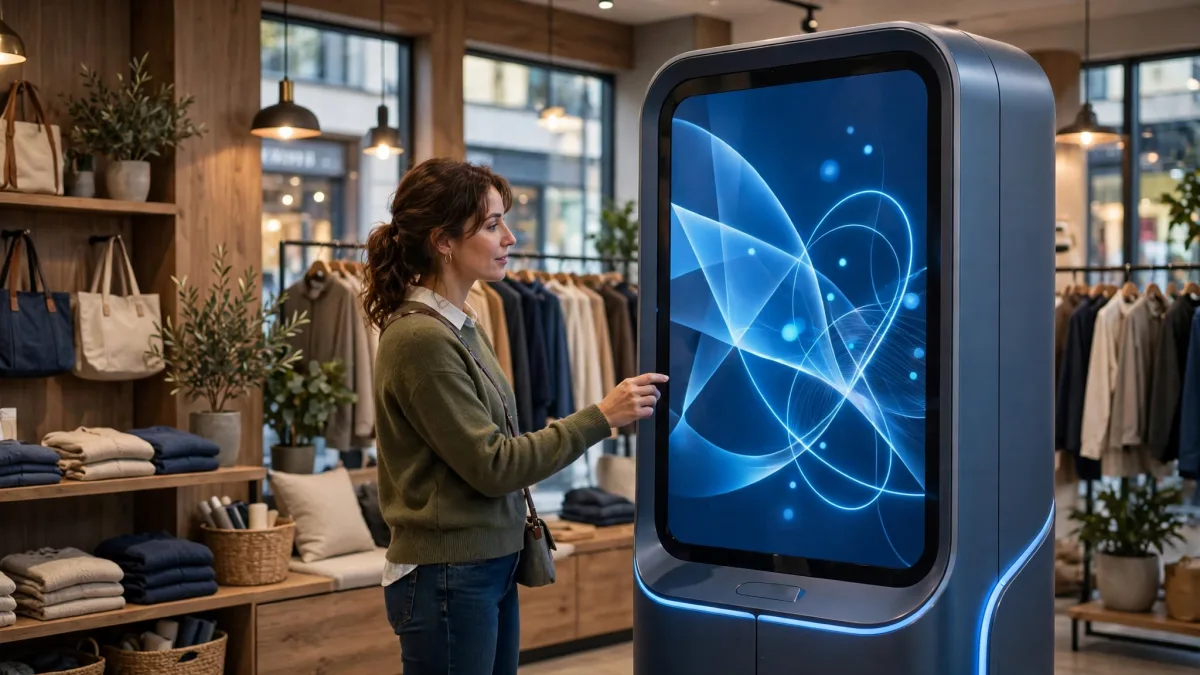
Agentic commerce readiness means a store can be found, understood, and trusted by AI shopping agents that research and buy on behalf of shoppers. A ready store gives agents clean product data, clear policies, and a checkout path that works without a person clicking through every step. That shift matters now, because the largest platforms launched agent payment tools in November 2026, and shoppers are already asking assistants to find and buy products for them. This article explains what it involves, what changed in November 2026, and the practical checklist store owners can follow to prepare. It covers product data, discovery, checkout, trust, and the mistakes that keep agents away. Store owners who prepare now will be ready as agent traffic grows, while stores that wait will be harder for agents to find.
What Is Agentic Commerce Readiness?
Agentic commerce is shopping in which an AI agent researches, compares, and completes a purchase on behalf of a shopper. Agentic commerce readiness is the state of a store that lets such an agent do that work reliably, from finding the right product to finishing checkout and handling what happens after delivery. A ready store speaks the language agents understand. Its catalog is structured, its policies are written in plain language, its stock information is current, and its checkout accepts the payment methods agents are built to use. Readiness is not a single feature or plugin. It is a set of small decisions across product data, site structure, checkout, and customer service that together make a store legible to software that shops. Stores that prepare early gain an advantage, because agents remember which stores gave clean answers and which ones wasted their time.
An AI shopping agent is software that carries out a shopping task for a person, from searching for a product to completing the order. The agent works from the shopper instructions, and it can only act on information it can read and verify. That is why readiness starts with information, not with design.
Why Does This Matter Now?
This matters now because the tools that let agents pay moved from demonstration to deployment in November 2026. According to Gartner, a survey of 408 senior marketing leaders conducted in July and August 2026 found that 61% had already adapted content strategies to improve machine readability and visibility in AI driven experiences. The same survey found that only 11% of leaders were still deciding how to approach agentic ecommerce, which means most large brands have already started. The gap between early movers and late movers is opening now, and it will be harder to close once agents have learned which stores to trust.
Agents also skip the homepage. Data from Human Security shows that 85% of agent requests go straight to product and search pages, so a store that hides its products behind slow navigation or vague descriptions will simply not be seen. Shoppers benefit too. An agent can compare options, check availability, and complete routine purchases while the shopper does something else, and that convenience will pull more buying into agent channels over time.
How Do AI Agents Discover and Buy Products?
An AI agent discovers products in three stages. First it searches, using catalog feeds, search indexes, and structured data to find products that match the shopper request. Then it compares, reading specifications, availability, delivery terms, and return policies to narrow the choice. Finally it buys, completing checkout through a payment method the shopper approved in advance. Each stage depends on machine readable information. If a product page lists the size in an image instead of text, the agent cannot read it. If delivery terms live only in a PDF, the agent cannot compare them. If checkout demands a person to solve a puzzle or retype details the agent already supplied, the purchase stalls.
Discovery also depends on trust signals. Agents prefer sources that other systems already cite, and they weigh clear, consistent information more heavily than promotional language. A store that publishes the same facts in its catalog, on its product pages, and in its structured data gives agents confidence to recommend it. For a wider view of how AI assistants are changing product discovery, read our guide to Perplexity Computer and multiagent shopping for business.
What Changed in November 2026?
November 2026 was the month agent shopping became practical. On November 13, 2026, OpenAI launched ChatGPT Wallet, a payment layer that lets its agents complete purchases for shoppers while keeping actual card details hidden, built with American Express, Chase, Mastercard, and Visa. Every purchase still needs shopper approval through a biometric check, so the shopper stays in control of each order. The launch was limited at first to ChatGPT Pro subscribers in the United States, but the pattern it sets is clear: the shopper approves, the agent acts, and the card number never reaches the agent.
On November 19, 2026, AWS announced that AI agents can buy selected products in AWS Marketplace through Amazon Bedrock AgentCore payments, with purchases settling on the buyer AWS bill under controls the account owner sets. Mastercard Agent Pay gives agents tokenized payment credentials tied to a shopper existing card, with purchase rules and proof that the agent acted within approved instructions. Coinbase built the x402 protocol for machine payments, and Coinbase developer documentation reported in November 2026 that its facilitator had processed more than 100 million x402 transactions. Shopify added Promoted Placements, a program that lets AI shopping applications earn rewards for purchases they generate through the Shopify Global Catalog, which changes how agents choose what to recommend.
Not every platform is welcoming agents. The eBay User Agreement has barred buy-for-me agents and LLM driven bots without prior express permission since February 20, 2026, and The Verge reported on November 10, 2026 that the Meta Muse agent had been blocked from pulling eBay listings. Amazon is also reported to be building a World Product Graph to strengthen product information for AI driven shopping. The rails are being built now, and each platform sets its own rules for agent access.
The Agentic Commerce Readiness Checklist
Agentic commerce readiness becomes manageable when it is broken into a checklist. Work through these seven steps in order, and fix the first failure before moving to the next. A store that completes all seven is ready for the agents that are already shopping.
- Audit product data. Every product needs a complete title, description, specifications, availability, and delivery and return terms in text, not in images.
- Add structured data. Use schema markup for products, offers, availability, and reviews so agents can parse facts without guessing.
- Publish a machine readable catalog feed. Keep it current, with one record per variant, and make sure the feed facts match the product pages.
- Simplify checkout. Support guest checkout, accept the payment methods agents use, and remove steps that demand human only actions.
- Write clear policies. Put delivery, returns, warranties, and support contacts in plain language on pages agents can reach.
- Set agent access rules. Decide which agents may crawl and buy, publish those rules, and use official platform channels where they exist.
- Test like an agent. Ask a shopping assistant to find and buy a product, watch where it struggles, and fix the first failure before adding new features.
Most stores will find their weakest step in product data or checkout. That is normal, and it is also good news, because both are fixable without rebuilding the store. Working with an experienced ecommerce development team can speed up the structured data and checkout work, especially for stores with large catalogs or custom checkout flows.
How to Prepare Product Data for AI Buyers
Product data is the single most important readiness factor, because agents decide from data before they ever see design. Start with the title. It should name the product, the key attribute, and the variant in plain words, without promotional filler. Then write descriptions that answer the questions a buyer would ask: what it is, what it does, what it is made of, what size it is, and what it works with. Specifications belong in a table or a structured list, with consistent units and values across the catalog. Availability must be honest and current, because an agent that recommends an unavailable product loses the shopper trust and may not return.
Images still matter, but they support the text rather than replace it. Every image needs descriptive alternative text, and no essential fact should appear only in an image. The same discipline applies to the product page as a whole, as explained in our guide to the anatomy of a product page that sells. Store owners choosing between platforms should also read our Shopify vs WooCommerce vs custom ecommerce guide, because the platform shapes how easily a store can publish structured data and catalog feeds.
What Are the Common Mistakes to Avoid?
The most common mistake is treating agent traffic like human traffic. A human forgives a missing detail and asks a question. An agent cannot ask, so it moves on. Stores that hide key facts behind login walls, image only content, or multi step wizards are invisible to agents, even when the same pages work well for people. Another mistake is publishing different facts in different places. When the catalog feed says one thing and the product page says another, the agent cannot tell which is true, and it will recommend a store whose facts agree with each other instead.
A third mistake is ignoring the rules of each platform. Some marketplaces welcome agents through official channels, while others block unauthorized agents outright, as eBay has done. A store that sends agents where they are not welcome wastes effort and risks losing access. A fourth mistake is forgetting the human at the end of the chain, because agents buy for people who still want clear terms and a support team that answers.
Frequently Asked Questions
What is agentic commerce readiness?
It is the state of a store that lets AI shopping agents find, understand, and buy its products without human help. It covers structured product data, clear policies, current availability, and a checkout path that agents can complete. A ready store gives agents the same facts a careful human shopper would want.
How can a small store prepare for AI buyers?
A small store can prepare by writing complete product descriptions, adding structured data to product pages, and publishing a current catalog feed. Clear delivery and return policies matter as much as the catalog. Testing with a shopping assistant reveals the first gaps, and fixing those gaps first gives the fastest improvement.
Do AI agents need a human to approve every purchase?
Approval depends on the tool the shopper uses. ChatGPT Wallet requires a biometric approval for every purchase, so the shopper reviews each order before it completes. Other systems let shoppers set purchase rules in advance for routine orders. Store owners should assume shoppers stay in control, and design checkout to work smoothly within those approval flows.
Which platforms support AI agent shopping today?
OpenAI launched ChatGPT Wallet in November 2026, AWS added agent purchasing in its Marketplace the same month, and Mastercard Agent Pay supports tokenized agent payments. Shopify offers catalog access and Promoted Placements for AI shopping applications. Some marketplaces, including eBay, restrict unauthorized agents, so store owners should check each platform rules before relying on it.
How do I know if AI agents are visiting my store?
Store owners can check server logs and analytics for agent user agents and requests to product and search pages, which agents visit far more often than homepages. Monitoring which products agents request shows what they can find and what they miss. Reviewing the gaps in those requests points directly to the product data that needs attention first.
AI buyers are arriving, and the stores they choose will be the ones that made themselves easy to understand. Skills Technology Solutions, a software agency based in Rahim Yar Khan, Pakistan, serving clients in Pakistan and the UK, can help you put this into practice. Contact our team to discuss your project.
Related Articles
Keep reading — more guides you may find useful.
Related Services
Services connected to this guide.